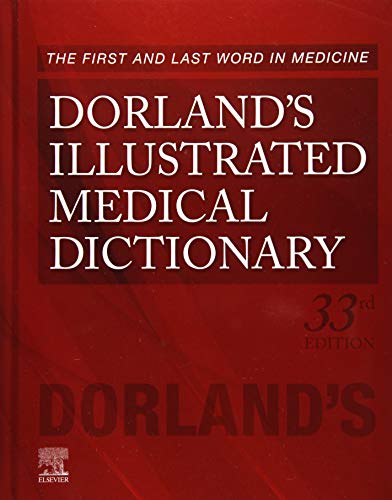
Best Specialized Medical Dictionaries for Healthcare
This buying guide covers the essential specialized medical dictionaries that are invaluable resources for anyone in the healthcare field. Medical dictionaries provide comprehensive definitions and explanations of medical terminology, which is crucial for professionals who need to communicate effectively and accurately. Whether you're a doctor, nurse, medical student, or healthcare administrator, having a reliable medical dictionary can enhance your understanding and usage of medical language in practice.
This guide is aimed at healthcare professionals, students, and anyone involved in the medical field who seeks to improve their knowledge of medical terminology. In this guide, you will learn about the key features that make a medical dictionary effective, the price ranges you can expect, and what to look for when selecting the right dictionary for your needs. Prices for specialized medical dictionaries can vary widely, so being informed about what to consider will help you make a wise purchase.
Focus on Specialization
Choose a medical dictionary that specializes in the area of healthcare relevant to you, whether it's general medicine, nursing, or a specific field like cardiology or pediatrics. This ensures the terminology is relevant and comprehensive for your needs.
People Also Look For:
- The Conflict Thesaurus: A Writer's Guide to Obstacles, Adversaries, and Inner Struggles (Volume 2) (Writers Helping Writers Series...
- Slay the Lingo: Gen Z Dictionary: A Survival Guide for Keeping Up with Modern Slang
- Dictionary of English Antonyms: Vocabulary Building
- Italian English Bilingual Visual Dictionary
- A Student's Dictionary of Classical and Medieval Chinese. Third Edition: Newly Revised and Expanded
Consider the Depth of Content
Look for dictionaries that offer in-depth explanations, examples, and illustrations where applicable. A dictionary with extensive entries can provide better context and understanding of complex medical terms.
Check for Additional Resources
Some medical dictionaries come with supplementary materials, such as appendices, charts, or online resources. These can enhance your learning experience and provide quick references for clinical practice.
Look for Trusted Editions
Select dictionaries that are endorsed or published by reputable medical organizations or institutions. This ensures that the content is accurate and reflects current medical standards and practices.
Set a Budget
Medical dictionaries can vary significantly in price. Determine your budget before shopping, as you can find both affordable options and premium editions. Investing in a high-quality dictionary can be beneficial in the long run.
Consider Format and Accessibility
Decide whether you prefer a physical book or a digital version. Digital dictionaries may offer additional features like search functions and updates, while physical copies can be easier to reference quickly in clinical settings.